Restorative Stretching and Recovery Methods
Discover gentle techniques that ease tension, promote recovery, and support better sleep and relaxation for your body and mind.
Why Restorative Stretching Matters
Your body's recovery is just as important as the movement itself. We're living in a time where tension builds up from daily stress, sitting at desks, and constant movement. Restorative stretching isn't about pushing harder or reaching further — it's about giving your muscles permission to relax and your nervous system space to calm down.
For people in their 40s, 50s, and 60s, restorative practices become essential. Your flexibility naturally changes over time, and that's completely normal. The goal isn't to regain the range of motion you had at 25. Instead, it's about maintaining what you have, reducing pain, and improving how you feel day-to-day.
What You'll Learn
- The science behind muscle recovery
- Gentle stretching techniques for all flexibility levels
- How breathing enhances relaxation
- Daily routines that take 10-15 minutes
- When to stretch and when to rest
Foundation Stretching Techniques
The best stretching routine is one you'll actually do. That means it shouldn't hurt, shouldn't feel rushed, and shouldn't require equipment you don't have. Most people hold stretches for 30 seconds and move on. But restorative stretching is different — you're holding positions for 2-5 minutes, allowing gravity and time to do the work.
Here's what makes this approach effective: you're not forcing anything. You're settling into a gentle position, breathing deeply, and letting your nervous system understand that it's safe to relax. This is why people often feel sleepy after a restorative session. Your body isn't stressed — it's genuinely recovering.
The Four Core Positions
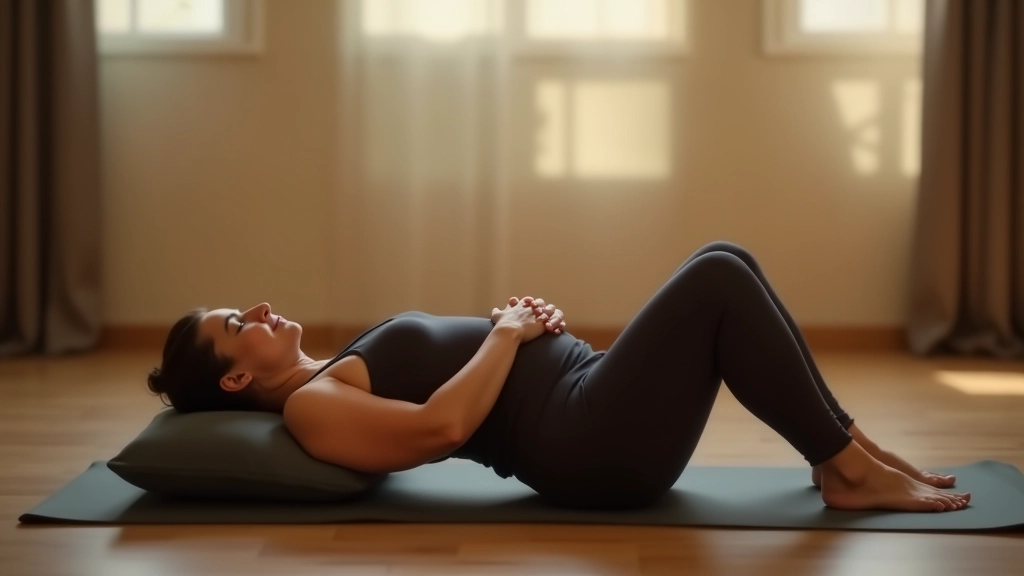
Supported Child's Pose helps your lower back and shoulders release tension. Reclining Butterfly opens your hips gently. Legs-Up-The-Wall reverses blood flow and calms your nervous system. Supported Twist aids digestion and spinal mobility. Each position supports a different part of recovery, and you don't need anything fancy — just a yoga mat, a pillow, and maybe a blanket.
The Role of Breathing in Recovery
You've probably heard about deep breathing, but here's what actually happens: when you breathe slowly and deeply, your parasympathetic nervous system activates. That's your body's "rest and digest" mode. It's the opposite of fight-or-flight, and it's where real recovery happens.
Most people breathe shallowly without realizing it. Stress, sitting, and age can all make your breathing more restricted. The good news? You can change this in minutes. Try breathing in for a count of 4, holding for 4, and exhaling for 6. That longer exhale is key — it tells your body everything's okay.
During stretches, don't hold your breath. Instead, breathe naturally and let each exhale deepen the stretch slightly. You're not forcing it. You're inviting your body to relax, and breathing is how you send that invitation.
Building a Recovery Routine
A solid recovery routine doesn't need to be complicated. Start with 15 minutes, three times a week. That's less time than a typical TV episode, and your body will thank you. Here's a sample routine: begin with 2 minutes of gentle breathing in a seated position. Then move to Supported Child's Pose for 3 minutes, Reclining Butterfly for 3 minutes, and finish with Legs-Up-The-Wall for 5 minutes.
The timing matters. Evening sessions work best for sleep quality — doing this an hour or two before bed helps your body transition into rest mode. If you prefer mornings, that's fine too, but you might feel energized rather than sleepy. Either way, you're building flexibility, reducing soreness, and improving how your body feels day-to-day.
Pro Tips for Success
Warmth Helps
A warm room or blanket allows muscles to relax more fully. Cold muscles stay tight.
Sound Matters
Soft music or nature sounds help your mind settle. Silence is fine too if you prefer.
Stay Hydrated
Drink water before and after, but not during stretches. It helps your muscles function better.
Consistency Wins
Three sessions a week builds results faster than sporadic practice. Schedule it like an appointment.

How Recovery Stretching Improves Sleep
Sleep quality often decreases as we age, but tension in your muscles plays a bigger role than you might think. When your body's holding tension — especially in your neck, shoulders, and lower back — your nervous system stays activated. You can't fully relax, even when you're lying down.
Restorative stretching releases that tension. Within a week of consistent practice, most people notice they're falling asleep faster and sleeping more deeply. You're not just stretching muscles — you're signaling to your entire nervous system that it's time to rest.
The best part? You don't need medication or complicated sleep hacks. You need 15 minutes, a yoga mat, and the commitment to do this a few times a week. Your body already knows how to sleep well — it just needs your muscles to stop fighting it.
Start Your Recovery Practice Today
Recovery isn't a luxury — it's a necessity. Your body's been working hard, carrying stress, and holding tension. Restorative stretching gives it permission to let go. You'll notice changes quickly: less pain, better sleep, improved flexibility, and a sense of calm you might've forgotten you could feel.
You don't need to be flexible to start. You don't need special equipment. You don't even need a lot of time. What you need is consistency and the understanding that recovery is part of the practice. Give yourself 15 minutes, three times a week, and watch how your body responds.
Ready to Explore More?
Join our gentle yoga and Pilates sessions designed specifically for people 40-60. Learn restorative techniques in a supportive community.
Browse Our ProgramsImportant Disclaimer
This article provides educational information about restorative stretching and recovery methods. It's not medical advice, and it's not a substitute for consulting with healthcare professionals. If you have existing injuries, chronic pain, or medical conditions, please speak with your doctor or physical therapist before starting any new stretching routine. Everyone's body is different, and what works for one person might not work for another. Listen to your body, move within your comfort zone, and stop if you experience sharp pain. Recovery should feel good, not harmful.
Related Articles