
Reformer Pilates Workshops for Core Strength
Understand how reformer Pilates builds core strength and improves posture through controlled movements that are joint-friendly.
Why Reformer Pilates Works
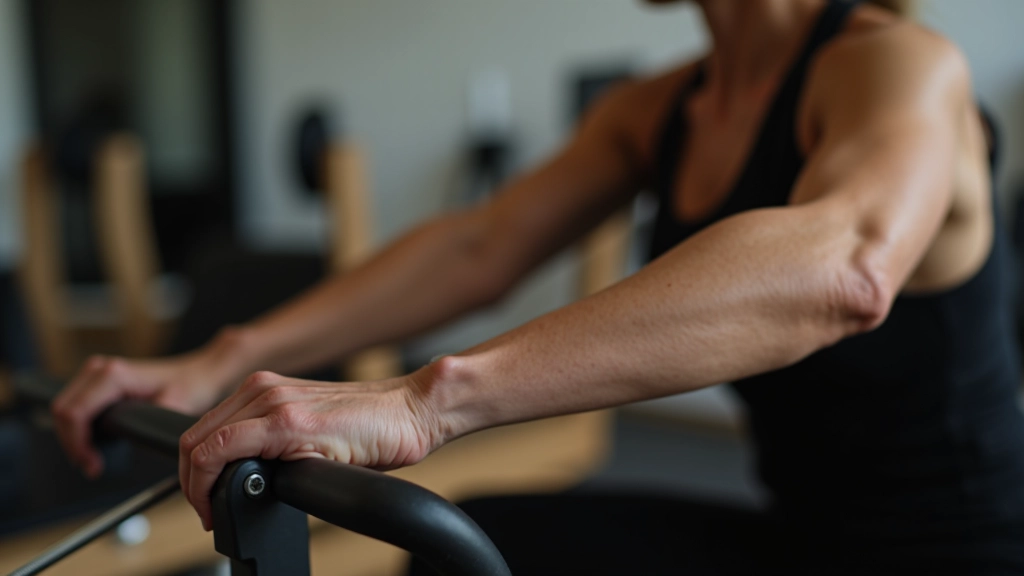
If you've been thinking about core strength training but weren't sure where to start, reformer Pilates might be exactly what you're looking for. It's different from mat-based Pilates because the machine provides both resistance and support. This combination means you're working your core muscles in ways that feel challenging but also protective for your joints.
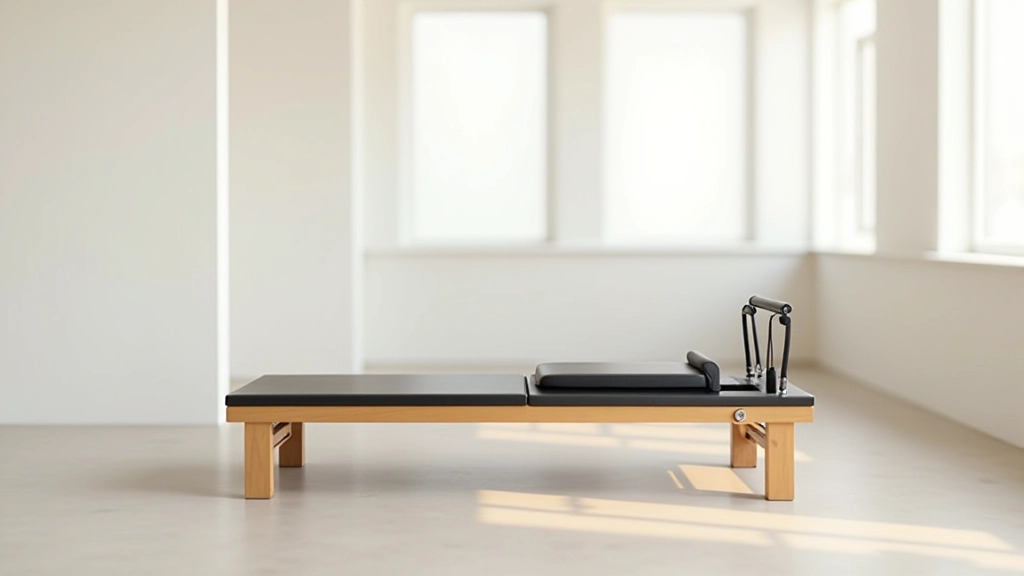
The reformer itself is deceptively simple — it's basically a platform with springs and handles. But that simplicity is the genius. Springs adjust how much resistance you're pushing against, so whether you're recovering from an injury or training seriously, you can dial it to your level. We've seen people aged 45 to 75 get real results in about 8 weeks of consistent practice.
What You'll Actually Notice
Real changes that people mention after their first few weeks
Better Posture
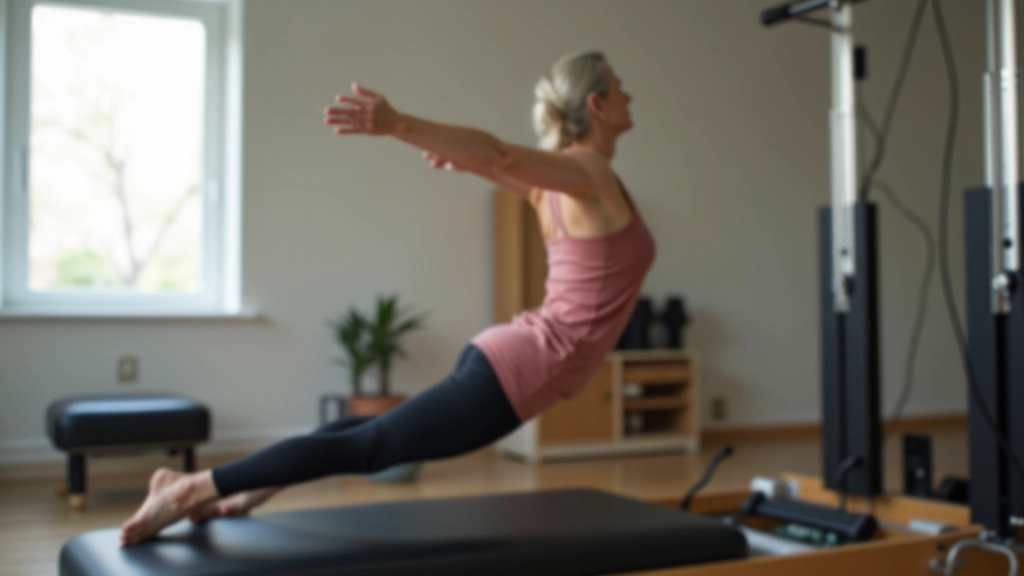
Your core muscles are basically your postural support system. When they're strong, you naturally stand taller. Most people aren't trying to slouch — they're just weak in the right places. Reformer work fixes that.
Less Back Pain
A weak core means your back muscles are doing overtime. Strengthen your abs, obliques, and deep stabilizers, and suddenly your lower back doesn't hurt anymore. It's not complicated — it's just effective.
Better Balance
Core strength and balance are connected. You're training the small stabilizer muscles that keep you upright during daily life. Falls become less likely when your core's doing its job.
Functional Strength
You're not training for aesthetics or competition. You're training so everyday activities feel easier — getting out of chairs, picking things up, reaching overhead. That's what matters.
How Reformer Exercises Work
The reformer has different spring settings, usually ranging from light (around 1-2 springs) to heavy (4+ springs). You're not just lifting your own body weight — you're working against variable resistance. This is actually gentler on your joints than traditional weights because the resistance changes throughout the movement.
A typical reformer class runs about 50-60 minutes. You'll start with breathing exercises and activation work — that's getting your core "awake" before you actually demand much from it. Then you move into exercises like leg springs work, carriage work, and push-through bar exercises. Each one targets different parts of your core from different angles.
The magic is in the control. You're not bouncing or using momentum. Every movement is slow and deliberate. This means your muscles are under tension longer, which is why you feel it even with lighter spring resistance. Most people're surprised they're sweating after moving slowly for an hour.
What to Expect in Your First 8 Weeks
A realistic timeline for seeing and feeling real changes
Week 1-2: Learning the Machine
You'll probably feel a bit sore. That's normal. Your muscles are learning new movement patterns. The instructor will show you how to use the springs and find your neutral spine. Don't worry if you can't do every exercise perfectly yet.
Week 3-4: Things Click
Your body's adapting. The soreness fades and you're starting to feel stronger. You'll notice you can hold exercises longer or use heavier springs. Some people say their posture feels different by week 3.
Week 5-8: Real Results
This is where you see actual changes. Your core feels noticeably stronger. Back pain that was constant is now occasional. You stand taller. Friends might even comment on your posture. This is when it gets addictive because you can see it's actually working.

Who Should Try This
Reformer Pilates works for almost everyone, but it's especially good for people in their 40s, 50s, and beyond. Why? Because it's low-impact but genuinely challenging. You're not pounding your knees or shoulders. You're building functional strength in a way that feels controlled and safe.
If you've had back issues, that's actually a reason to try it — not avoid it. Just tell your instructor about any injuries. They'll modify exercises so you're strengthening instead of aggravating anything. Same goes if you've got shoulder or knee concerns. The reformer's adjustable enough to work around most limitations.
You don't need to be flexible or fit to start. Seriously. We've had people who couldn't touch their toes come in and do great. You're working at your own level with springs adjusted to challenge you appropriately. There's no comparing yourself to anyone else in the room.
The Real Benefit
At the end of the day, reformer Pilates isn't about getting ripped or training for competition. It's about building a stronger, more resilient core so your daily life feels easier. It's about standing taller, moving without pain, and having the stability you need for activities you actually care about. That's what makes it different — it's practical strength, not vanity strength.
Most people who stick with it for 8-12 weeks don't quit. They keep going because they feel genuinely better. Their back doesn't ache. Their posture's improved. They're stronger. And honestly, that's worth showing up for.
Ready to Explore Reformer Pilates?
Find beginner-friendly workshops and classes designed for your fitness level and goals.
Get in TouchImportant Disclaimer
This article is for informational and educational purposes only. It's not a substitute for professional medical advice, diagnosis, or treatment. Before starting any new exercise program, especially if you have existing injuries, chronic pain, or health conditions, consult with your healthcare provider or a qualified physical therapist. Every person's body is different, and what works for one person might need adjustment for another. A certified Pilates instructor can assess your individual needs and modify exercises appropriately. Listen to your body, move at your own pace, and don't push through sharp pain.